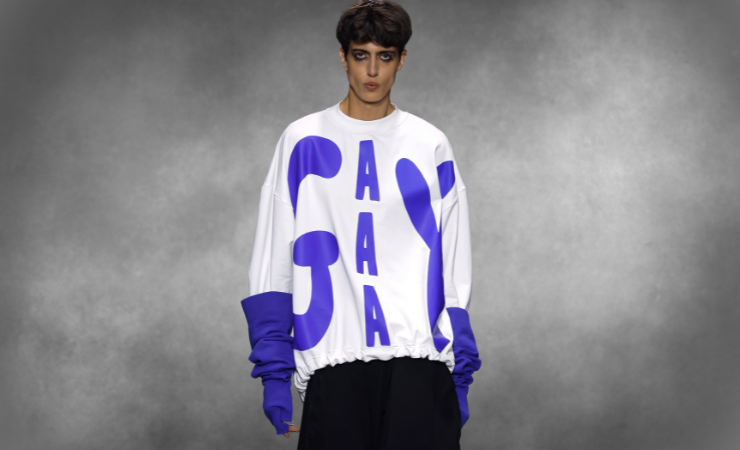
Spanish fashion brand AAA Studio has partnered with Roland DG to produce bold garment prints for its “Señora, suélteme el brazo” collection. The collection will be presented at 080 Barcelona Fashion Week.
Founded by Arnau Climent, AAA Studio created the collection to represent the moment when a young generation stops conforming and refuses to fit into societal norms. Throughout the garments, direct messaging, bold typography and personal imagery are used to communicate that idea.
“At the end of the day, prints are everything in the collection because they work as a very clear statement,” Mr Climent explained. “I wanted the messages to feel direct and unapologetic.”
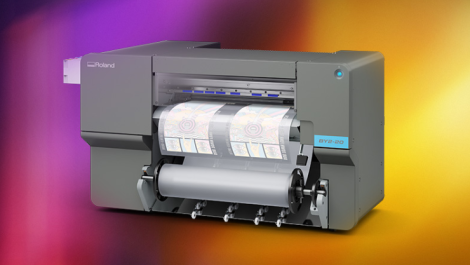
AAA Studio had previously worked with techniques including screen printing and dye-sublimation, but found these methods limiting for the level of detail and visual freedom required. The studio selected Roland DG to support prototyping and garment print production using the Roland DG TY-300i direct-to-film printer.
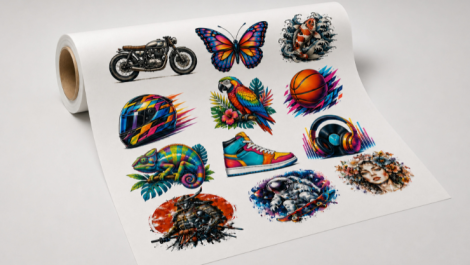
The TY-300i was used to reproduce vivid colours, smooth gradients and intricate details across the graphic-heavy collection. According to AAA Studio, colour consistency was particularly important to preserving the intention behind the designs.
“We needed exact colour precision,” Mr Climent said. “Colour carries a lot of weight within the collection, so the ability to access consistent colour was one of the most useful aspects of printing with the TY-300i.”
The process also involved testing and refinement as AAA Studio explored how the graphics translated onto fabric and finished garments.
“It was a learning experience, especially throughout the testing process to get to the final result,” Mr Climent explained. “I didn’t have much previous experience with this type of machinery, so working with Roland DG also helped me better understand how the machinery works and how to take advantage of it.”
He added: “More than changing the concept itself, it helped adjust how to bring the designs onto the garment.”
AAA Studio said digital printing allowed the design process to remain more open, with technical considerations addressed later in the workflow.
“It allowed me not to limit my ideas so much from the start I could work with more raw imagery and more direct typography without thinking about technical limitations immediately,” said Mr Climent.
The brand now plans to continue exploring digital print for future collections, particularly for direct graphics, clear messages and smaller or more specific productions.